
Acreen® Glys
NO WATER SACHET
No aluminum foil
PE film
Ready-to-use products
2004
Sei uscito con successo.


Non sei ancora registrato?
Pensa all'ambiente
La plastica rappresenta una minaccia per l’ambiente e, in particolare, per gli oceani. Gli oceani sono particolarmente colpiti da questo problema: si stima che ogni due secondi, più di 1.000 chilogrammi di plastica finiscono nell'acqua causando ulteriori danni. In tutto il mondo, si cerca di sostituire questo materiale ove possibile. Tuttavia, sebbene sia semplice sostituire un sacchetto di plastica con un sacchetto di carta, risulta difficile sostituire i materiali che costituiscono i dispositivi, come i cateteri, con alternative più ecologiche. Questa è stata la sfida di B. Braun e insieme a noi anche tu puoi fare qualcosa per il futuro del nostro pianeta![1]


La concentrazione dei rifiuti plastici ha portato alla creazione di un vero e proprio settimo continente[2]. A differenza dei materiali organici, la plastica non “scompare” mai in natura, ma si accumula nell'ambiente, in particolare negli oceani[3]. Circa l'80% dei rifiuti marini proviene da attività terrestri[3]. Ad esempio, una bottiglia di plastica può impiegare fino a 450 anni, un pannolino usa e getta fino a 500 anni per essere scomposto in pezzi microscopici[4]. I rifiuti sono quindi diventati un elemento della catena alimentare umana, poiché nel corso del tempo le microplastiche hanno contaminato tutti i comparti degli ecosistemi marini, compresi i prodotti ittici come il pesce[5].

In media vengono utilizzati 5 cateteri ad intermittenza al giorno. I cateteri appartengono alla tua routine quotidiana e ti aiutano a vivere una vita più semplice. Tuttavia, i cateteri producono una gran quantità di rifiuti, ma grazie alla scelta che puoi fare sulla tipologia di catetere che utilizzi, potrai fare la differenza per l'ambiente. I cateteri non sono tutti uguali ma variano per peso, imballaggio, quantità in plastica, alluminio e smaltimento. Even though catheters all look alike, there are slight variations which have an influence on our environment. It is your choice which catheter you use and with this choice you can make a difference because catheter models vary in:
Si può scegliere quale catetere utilizzare in base alle proprie esigenze. Actreen® è un catetere pratico, semplice da utilizzare e che può contribuire al rispetto dell'ambiente.[8,9]
Per ridurre la quantità di rifiuti prodotti, Actreen®è stato sviluppato grazie all’utilizzo di materiali ecofriendly, come le TPO (poliolefine termoplastiche), che lo rendono un catetere leggero e facile da riciclare. To make the same product, we need 30% less TPO than PVC (Polyvinyl chloride). This is due to the lower density of TPO compared to PVC[8]. This leads to a reduction in material consumption and waste.
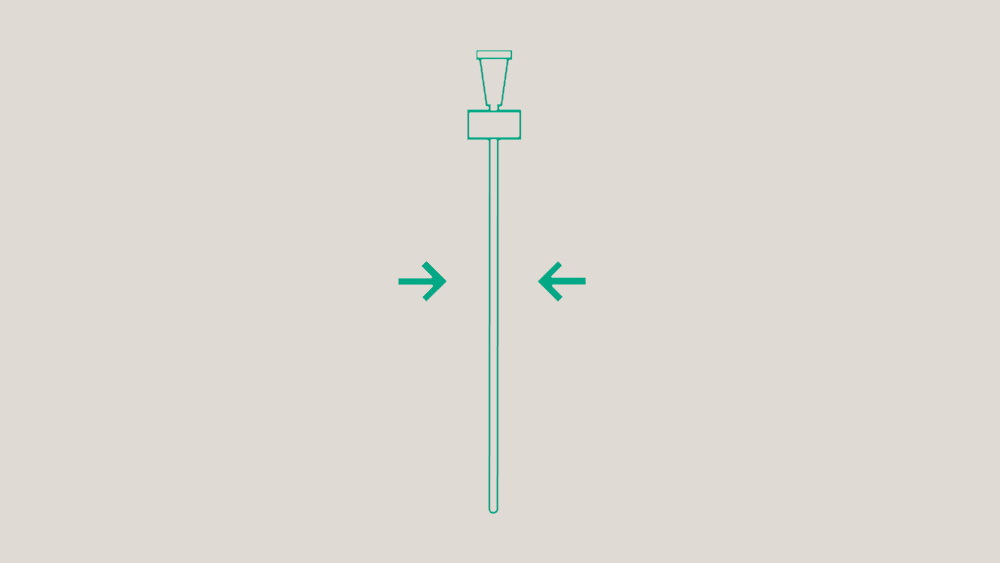
Poiché le TPO hanno una densità inferiore rispetto al PVC, è necessario meno materiale per produrre lo stesso tipo di catetere.[10] Ciò comporta una riduzione del consumo complessivo di materiale e, quindi, dei rifiuti prodotti.
* Actreen® Hi Lite Cath and Set
Meno materiale e meno componenti sono la chiave per un riciclaggio più semplice. Actreen® è formato da un minor numero di componenti e la confezione primaria non contiene alluminio o plastica dura, entrambi più difficili da riciclare. [9] Smaltire il catetere usato secondo le normative locali.
Le TPO sono costituite esclusivamente da atomi di carbonio e idrogeno. Non contengono cloruri né altri "alogeni". Quando incenerito, Actreen® non rilascia composti tossici nell'aria. It does not contain any “hallogenous” substance.[9] It's primary packaging does not contain aluminum or hard plastic either, knowing both are complicated to recycle. The disposal of your used catheters is according to your local regulations.
Grazie al suo design minimale e materiali ecofriendly che lo costituiscono, Actreen® riduce la quantità di rifiuti prodotti. Due to its eco-design, the product’s volume is noticeably reduced. Find out how big this difference really is.


Calcolatore dei rifiuti per cateteri intermittenti
Vuoi sapere quanti rifiuti produci potenzialmente con il tuo catetere? Il calcolatore dei rifiuti ti aiuterà a scoprirlo. The waste management calculator will help you to find out what it means to use Actreen® for you in the short-term and in the long run. Dai un'occhiata!
Avvia il calcoloLe pochette di Actreen®
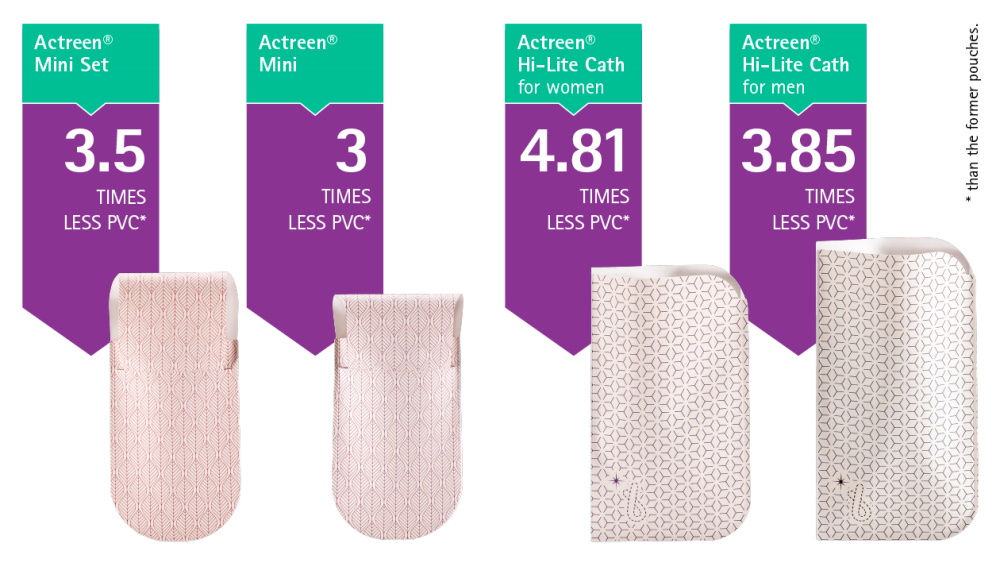
B. Braun ha compiuto un altro passo per il bene del nostro pianeta e ha creato una nuova generazione di pochette ecosostenibili per rendere il tuo catetere ancora più discreto. A differenza di quelle precedenti, le pochette sono ora sono realizzate in carta con uno speciale rivestimento in PVC e progettate per essere utilizzate più volte, anche in ambienti umidi.[11]
The Actreen® discreet pouches are made of paper with a special PVC-coating designed to be used multiple times in a wet environment.[10]
Compared to the older versions available some years ago, the PVC content has been reduced significantly, to keep these pouches durable.
The first product generation was developed in 2004 and has continually improved its ecological footprints.
NO WATER SACHET
No aluminum foil
PE film
Ready-to-use products
2004

REDUCED PACKAGING
First B. Braun eco-design
generation
Increased ease of use
2009-2010

TPO CATHETER MATERIAL
No PVC
Esthetic design for woman
User friendly
2013-2024

DESIGN UPDATE
Lightest design of
B. Braun male catheters
Discreet and convenient
2026
Sostenibilità
Ci impegniamo a ridurre il nostro impatto ambientale, tenendo conto delle generazioni future, utilizzando materiali alternativi e riciclabili. Ciò include anche il controllo continuo delle nostre attività nell'ambito della tutela dell'ambiente. With the future generations in mind, we go the extra mile and exceed legal requirements. This also includes the ongoing review of our contributions to environmental protection.
Leggi altro quiCiò significa che puoi scegliere:
Indeed, Actreen® is :
Con il tuo account personalizzato, la tua esperienza online sarà più facile, più comoda e più sicura.

